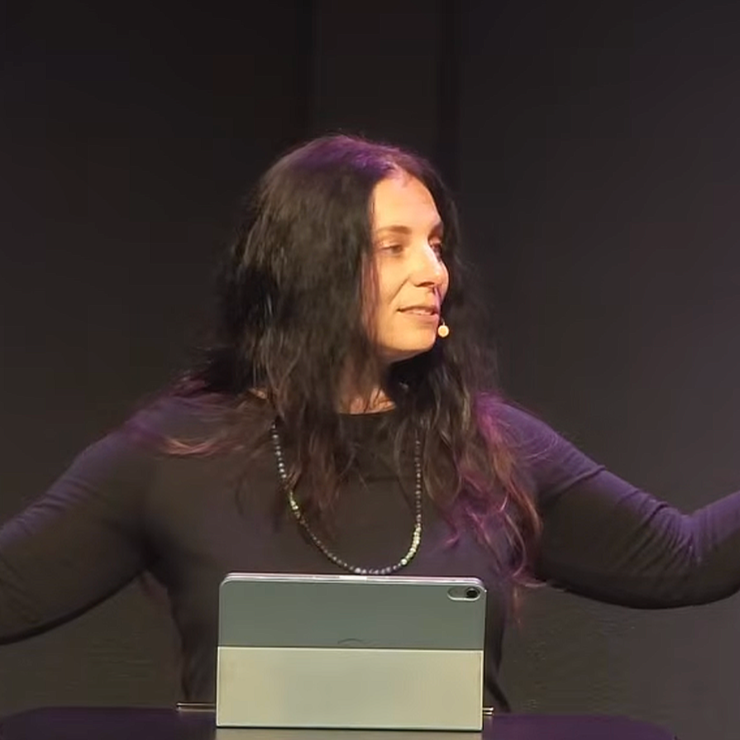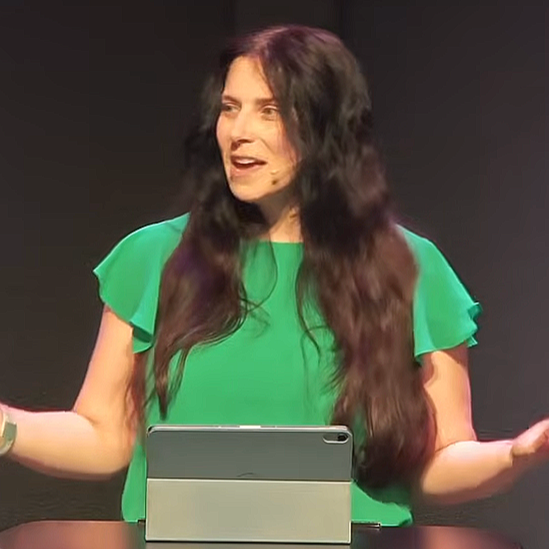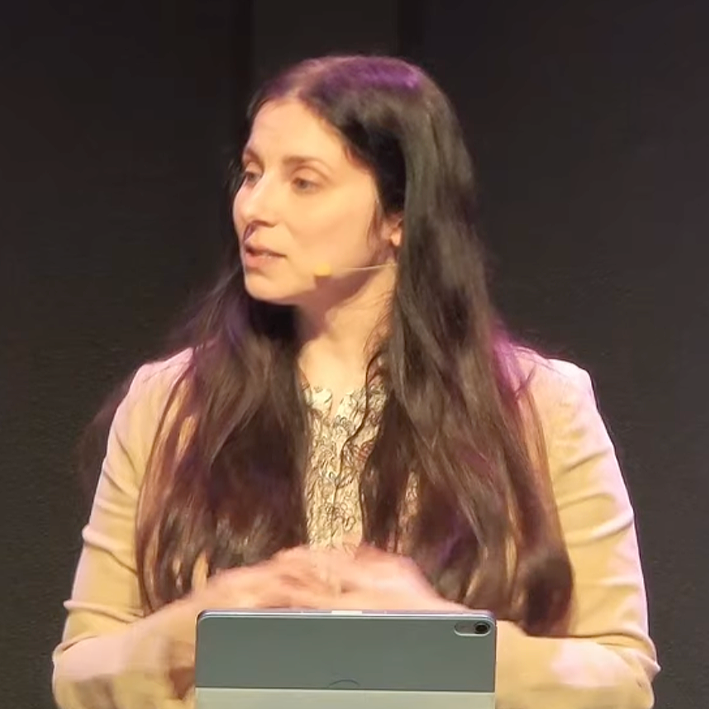
This message was preached at Sherwood Community Friends Church on Sunday, February 22, 2026. You can watch the video in full by clicking below.
Over the past few weeks, we’ve been unpacking the first two chapters in the book of Genesis, about how God ordered the cosmos by creating time and boundaries for darkness and chaos to be ruled by light and land.
On the sixth day, God created his most beautiful masterpiece, humanity, both male and female, by breathing his life into them. He made them together as equal partners with a purposeful vocation to be his image-bearing stewards of his ordered world. God placed the humans in Eden’s small garden section to live together with him as their source of life, which he intended they bring out to the rest of the world.
As we turn the page toward chapter 3, it’s important to note what we won’t discover. We’re not going to discover the origin of evil, address the transmission of sin from generation to generation, or describe any particular event that corrupted humanity.
What chapter 3 does reveal is the human will, which results in an identity pattern we are all subject to as the choices we make unravel God’s intended order and reintroduces chaos back into our lives. This chaos is what opens us to the rift of relationship that separates us from God’s life-giving source. Our free-will to choose our own path apart from God gives voice to the disorder in our lived experience and it explains the fractured relational trust in God that we all wrestle with every day.
The Two Trees (Gen 2:9, 16–17)
Before we can understand and analyze the failure in Genesis 3, we must first understand the choice.
“The LORD God caused to grow out of the ground every tree pleasing in appearance and good for food, including the tree of life in the middle of the garden, as well as the tree of the knowledge of good and evil.” Genesis 2:9
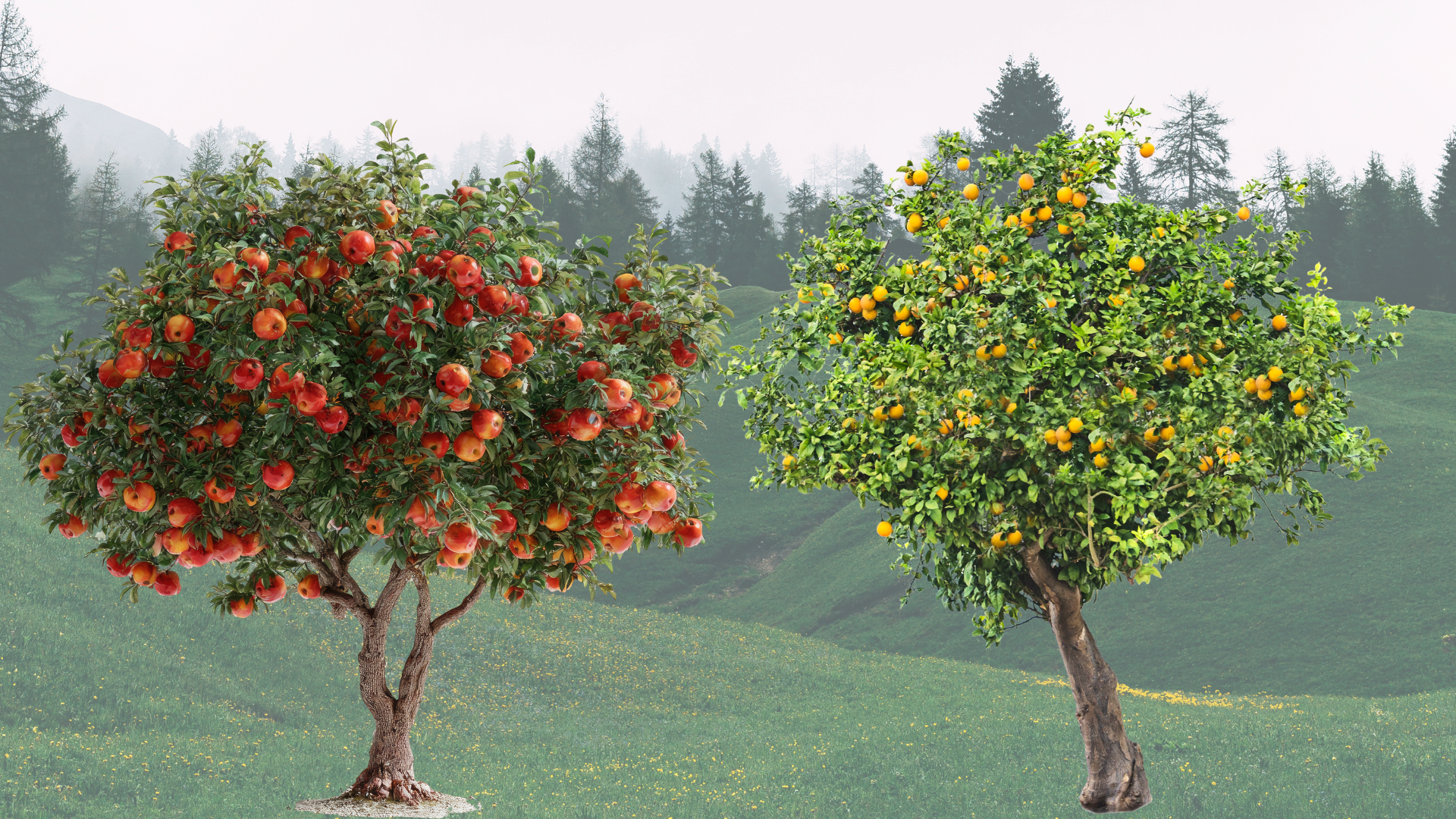
There are many trees in the garden, but two are given special attention. The most notable tree is the one placed in the middle: the Tree of Life. Somewhere else is the Tree of the Knowledge of Good and Evil. And yet, there is only one prohibition.
Rabbi David Fohrman has pointed out that “knowledge of good and evil” in Hebrew is not mainly about abstract moral awareness. It’s language of authority: the capacity to determine, to judge, to define. In the ancient world, kings were said to “know good and evil” because they held judicial power.
The question in Eden was not, “Will they learn right from wrong?”
The question was, “Will they seize the right to define good and evil for themselves?”
The Tree of Life represents dependence: ongoing, relational trust. Life is not inherent in the human. It flows from God. The Tree of Life is a sacramental reminder that we remain creatures who receive.
The Tree of the Knowledge of Good and Evil represents autonomy: the grasping of moral authority, the assertion that I will determine reality rather than trust the One who created it.
Dr. John Walton has said the issue in Genesis 3 is not about forbidden fruit, but about boundaries within sacred space. Humanity was placed in a sacred relationship and given a sacred vocation in Eden, God’s first temple, where he dwelt with his creation. The prohibition was an embodied way of saying, “You are God’s imagers, not God.”
Image bearers reflect God’s power, wisdom, creativity, stewardship, and authority. They do not originate it.
And the LORD God commanded the man, “You are free to eat from any tree of the garden, but you must not eat from the tree of the knowledge of good and evil, for on the day you eat from it, you will certainly die.” Genesis 2:16-17
If I were to ask you what is the first command given, you would likely point out that it’s to not eat from the tree of knowledge of good and evil. But that isn’t the first command! Read it again.
You are free to eat from any tree of the garden.
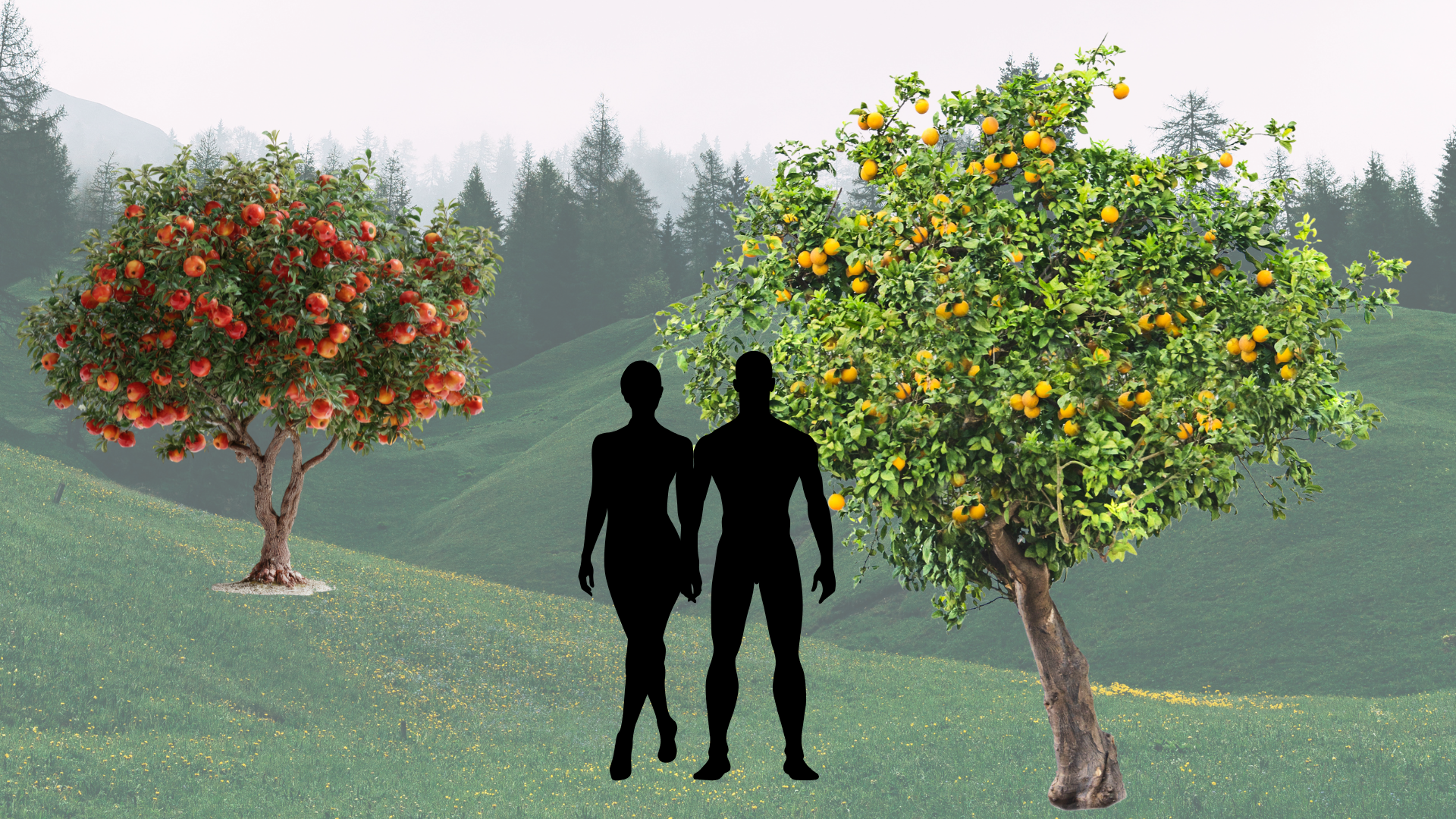
The first command is to eat from all the trees freely. Based on the language, it would be a safe assumption that God’s hope was first for them to eat from the Tree of Life, the one that was centralized in the middle of the garden. It’s a positive command, made plain to them, and it leads the reader to assume the Tree of Life would have been part of their early nourishment. Is that what happened?
The Serpent (Gen 3:1-5)
“Now the serpent was the most cunning of all the wild animals that the Lord God had made.
In its Ancient Near Eastern context, the serpent is a recognizable chaos motif, a creature of non-order within an ordered world, yet it is never identified as Satan in the Old Testament. Revelation’s later associations are theological redeployments, not retroactive definitions. Described as arum (crafty or prudent), the serpent uses wisdom language that is not inherently negative. It functions as an instigator, not the cause. Humans act freely. Its unusual traits (speaking, possibly upright movement, access to good food before being limited to dust) signal non-order intruding into sacred space.
He said to the woman, “Did God really say, ‘You can’t eat from any tree in the garden’?” The woman said to the serpent, “We may eat the fruit from the trees in the garden. But about the fruit of the tree in the middle of the garden, God said, ‘You must not eat it or touch it, or you will die.’” “No! You will certainly not die,” the serpent said to the woman. “In fact, God knows that when you eat it your eyes will be opened and you will be like God, knowing good and evil.”
The serpent begins with reframing God’s generosity. God had said, “You are free to eat from any tree of the garden…” The serpent reduces abundance to restriction by exaggerating the boundary lines until it feels oppressive.
The strategy is subtle. The serpent does not deny God’s existence, rather it questions God’s character. It plants suspicion. “Did God really say?”
The implication of the allusion is clear: Is God holding something back? Is dependence actually deprivation?
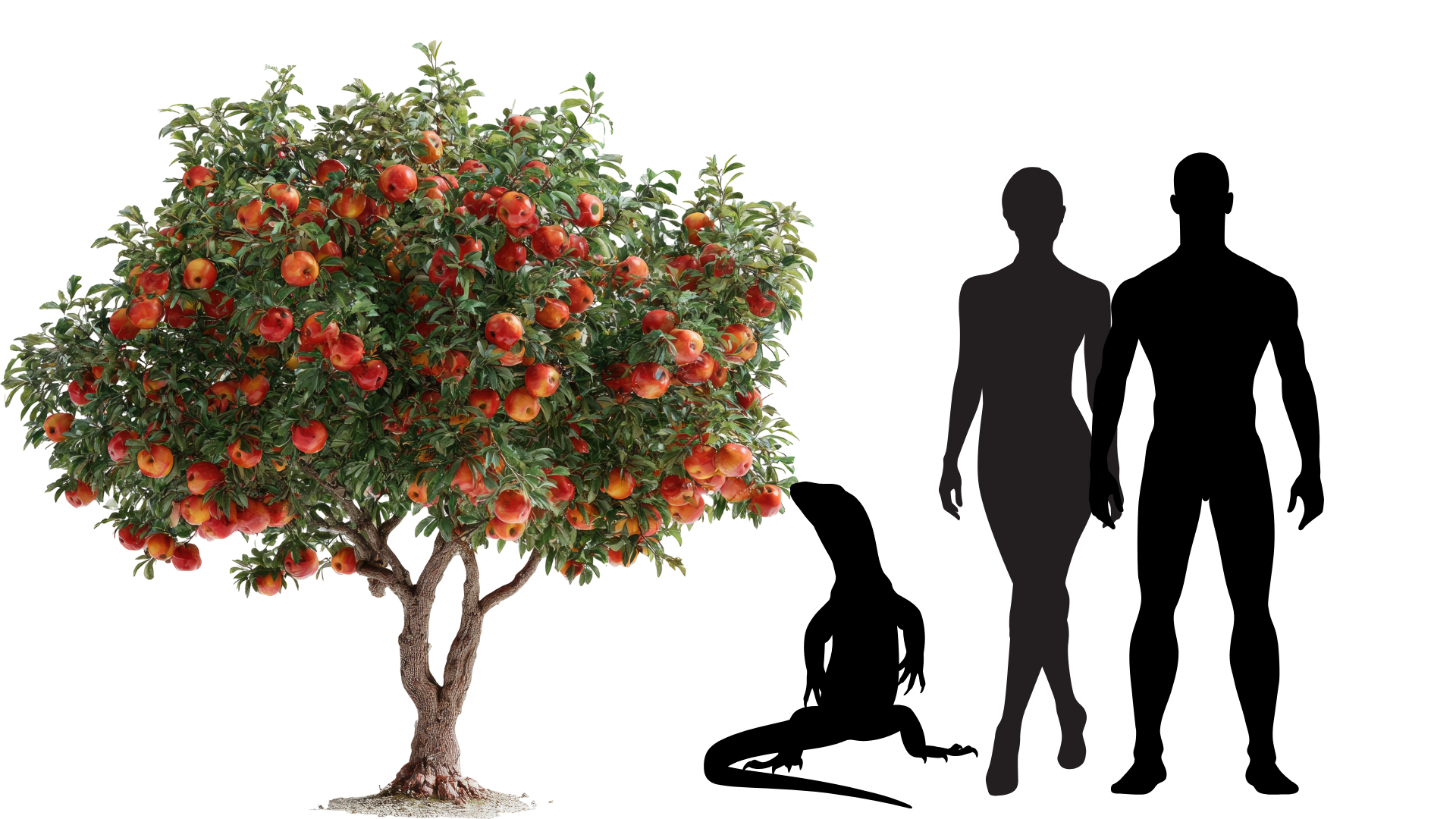
This is the same lie we still hear today. Autonomy and independence are framed as maturity and strength. Submission is framed as weakness. We claim the right to generate order on OUR terms.
And yet what the serpent offers is not enlightenment. It is self-rule.
Is the serpent only to blame here? Notice what Eve says:
The woman said to the serpent, “We may eat the fruit from the trees in the garden. But about the fruit of the tree in the middle of the garden, God said, ‘You must not eat it or touch it, or you will die.’” vv2-3
Hmmm…. Didn’t God place the Tree of Life in the middle of the garden?
Perhaps this is less a map and more a focus. God placed the Tree of Life in the center of the Garden, in the prominent place where he wanted humanity to come to, the place of that sacramental reality of everlasting life and relationship. This was to be their focus!
But this isn’t the attention of Eve in the conversation. Nor Adam who is with her. The center has shifted. Instead of life, the boundary line now holds their attention.
The serpent didn’t drag them over to the wrong tree. We have to assume they were already there. Maybe they were already near the wrong tree. Sometimes we are quick to blame spiritual attack when life falls apart. And sometimes it is.
But I find that more often than not, we are lingering at the boundary line, curious about autonomy instead of focusing on life. It may not be full rebellion, but it is closer to collapse than abiding near the Tree of Life.
So, were Adam and Eve able to turn from the temptation?
“The woman saw that the tree was good for food and delightful to look at, and that it was desirable for obtaining wisdom. So she took some of its fruit and ate it; she also gave some to her husband, who was with her, and he ate it. Then the eyes of both of them were opened, and they knew they were naked; so they sewed fig leaves together and made coverings for themselves.” Genesis 3:6-7 CSB
When they see that the tree is “desirable to make one wise,” we see the deeper issue: they choose the desirable yet limited human wisdom over the relationship with God.
They consume what was not intended for them. By doing so, they would detach themselves from God, who was their source of life, capable of being the provider for everything they needed.
What Was Lost (Genesis 3:8-19)
Then the eyes of both of them were opened, they knew they were naked. As they partook of the fruit, something changed immediately. What “eyes opened” does not equate to is some kind of spiritual nirvana or moral maturity. Instead, they saw their vulnerability. Shame, fear, and distance enter the garden.
Remember Genesis 1. God orders the waters and fills them with fish. He orders the land and brings forth vegetation and creatures. Every living thing flourishes in the environment God appoints for it. Fish live in water. Plants live in soil. Remove them from their source and they die. Humanity is different…and yet not.
Genesis 2:7 tells us the Lord formed the man from dust and breathed into him the breath of life. Michael Heiser writes,
“Humanity is animated dust — creatures sustained by divine breath. Our life is not self-generated. It is derivative. It is a gift.” So when humanity detaches from the Giver of breath, death begins.
This is why God warns, “On the day you eat from it, you will certainly die.” The Hebrew intensifies the certainty by phrasing it this way “Dying you will die.”—death becomes the trajectory.
So what happens next?
Then the man and his wife heard the sound of the Lord God walking in the garden at the time of the evening breeze, and they hid from the Lord God among the trees of the garden. So the Lord God called out to the man and said to him, “Where are you? ” vv8-9
And he said, “I heard you in the garden, and I was afraid because I was naked, so I hid.” Then he asked, “Who told you that you were naked? Did you eat from the tree that I commanded you not to eat from? ” vv10-11
Shame has replaced what the original design was to be.
In Genesis 1, God brings order from chaos. In Genesis 3, humanity reintroduces chaos into sacred space.
When God calls out to Adam and Eve “Where are you?” he knows that they are not at the center of the Garden that he ordained for them, the Tree of Life. He knows the communion they once shared is broken. The effects ripple outward.
Tim Mackie calls it a fracturing of relational networks—between God and humanity, man and woman, humanity and the ground, and within creation itself.
The man replied, “The woman you gave to be with me — she gave me some fruit from the tree, and I ate.” vv12
So the Lord God asked the woman, “What have you done? ” And the woman said, “The serpent deceived me, and I ate.” So the Lord God said to the serpent: Because you have done this, you are cursed more than any livestock and more than any wild animal. You will move on your belly and eat dust all the days of your life. I will put hostility between you and the woman, and between your offspring and her offspring. He will strike your head, and you will strike his heel. Vv13-15
He said to the woman: I will intensify your labor pains; you will bear children with painful effort. Your desire will be for your husband, yet he will rule over you. v16
And he said to the man, “Because you listened to your wife and ate from the tree about which I commanded you, ‘Do not eat from it’: The ground is cursed because of you. You will eat from it by means of painful labor all the days of your life. It will produce thorns and thistles for you, and you will eat the plants of the field. You will eat bread by the sweat of your brow until you return to the ground, since you were taken from it. For you are dust, and you will return to dust.” vv17-19
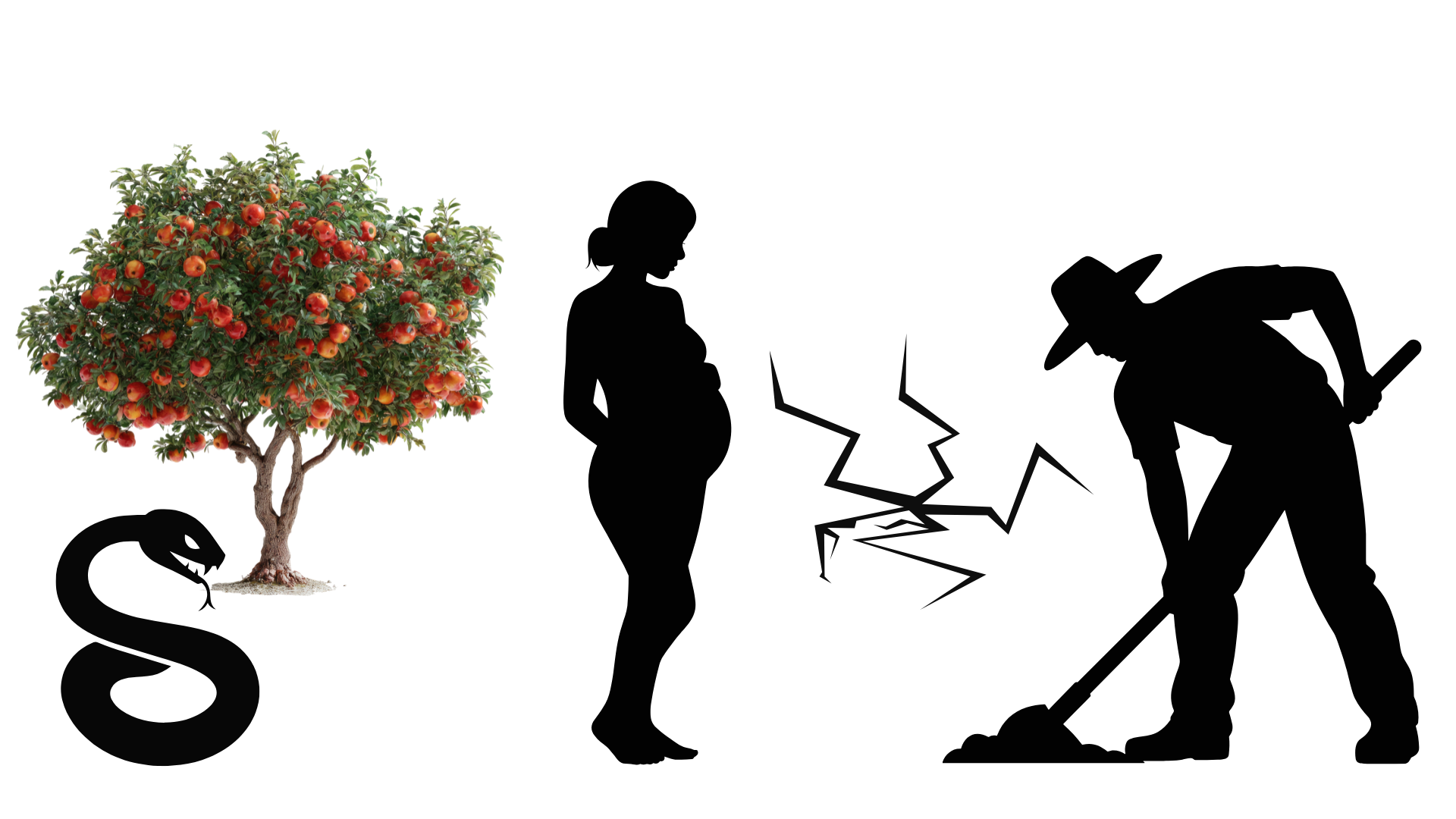
After some finger pointing, God names the consequences of their choices.
The serpent is restricted to the liminal realm of death, eating dust and crawling on its belly. There will be ongoing hostility between it and humanity. Note that God does not eradicate this creature of non-order. He restrains it.
The woman’s consequence is often misunderstood. We read about painful childbirth and about our husbands ruling over us. This is confusing language, especially when we consider the God of the whole Bible, who lifts up rather than oppresses.
We are going to go back to the original language, Hebrew and get into the minds of the Hebrew people, the original audience.
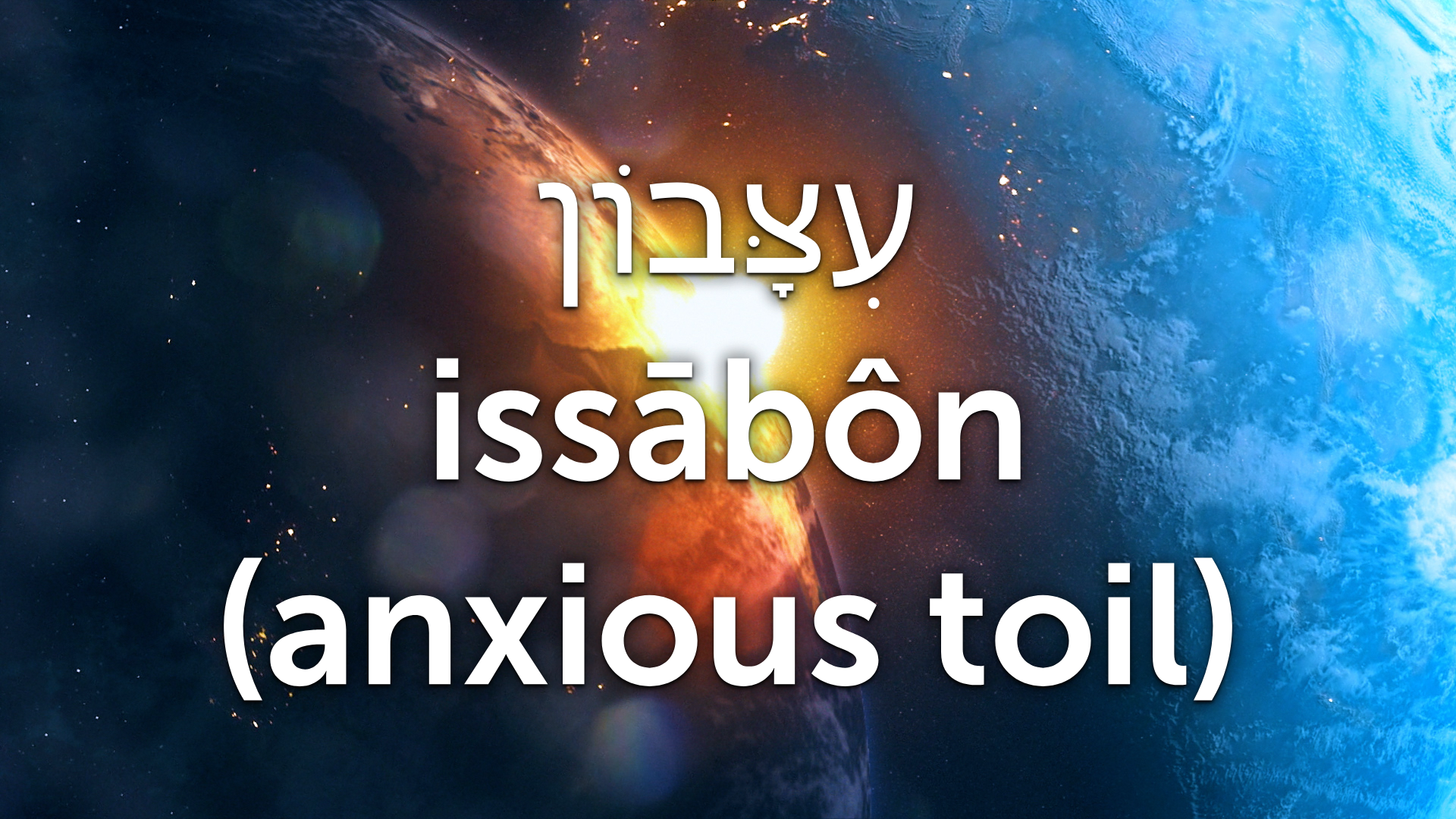
The Hebrew term translated “pain” (issabon) also carries the sense of anxious turmtoil.
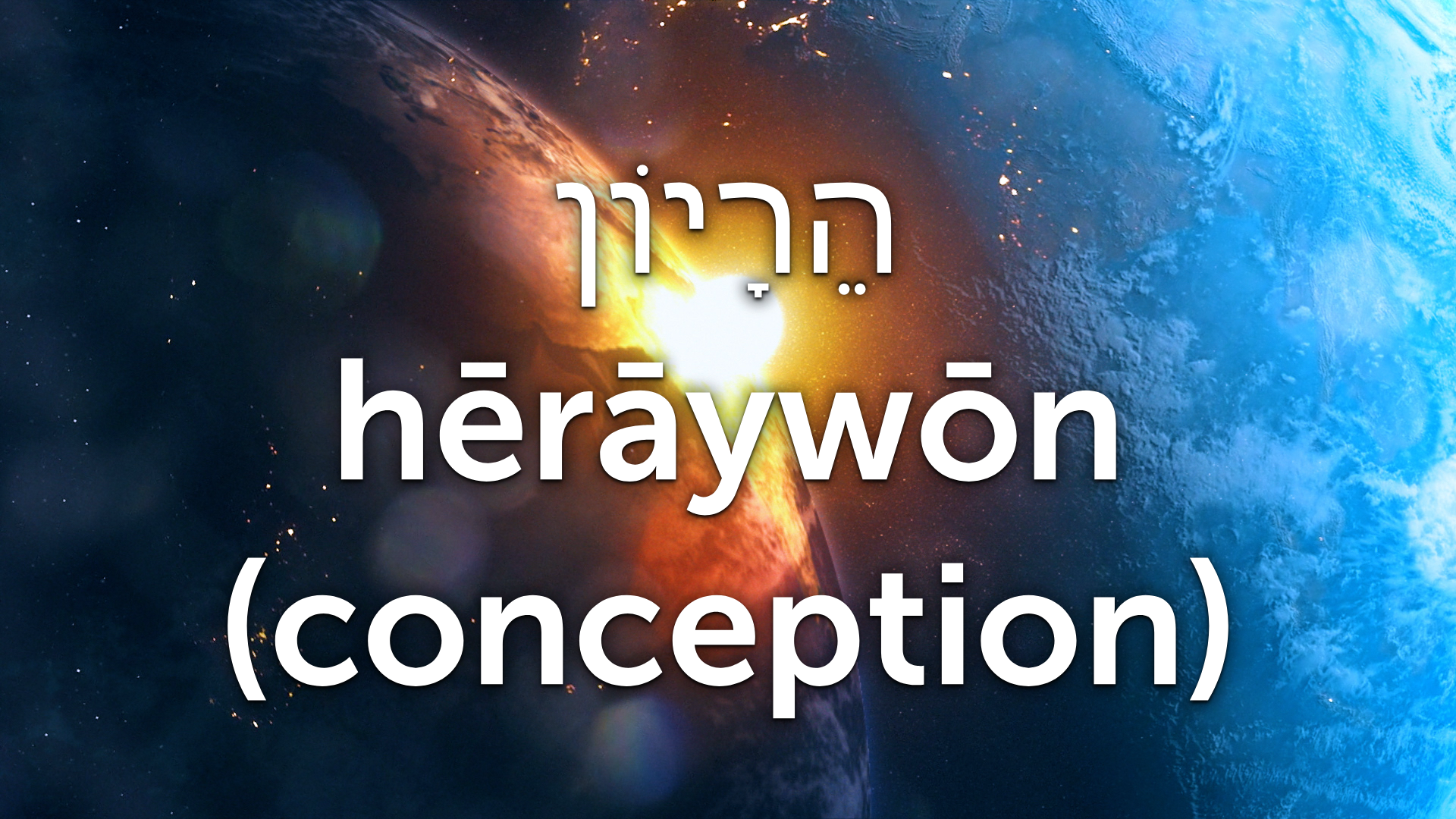
The word often rendered “childbearing” (heyraron) refers more precisely to conception. In the ancient world, anxiety surrounded fertility and survival—whether pregnancy would come, whether mother and child would endure.
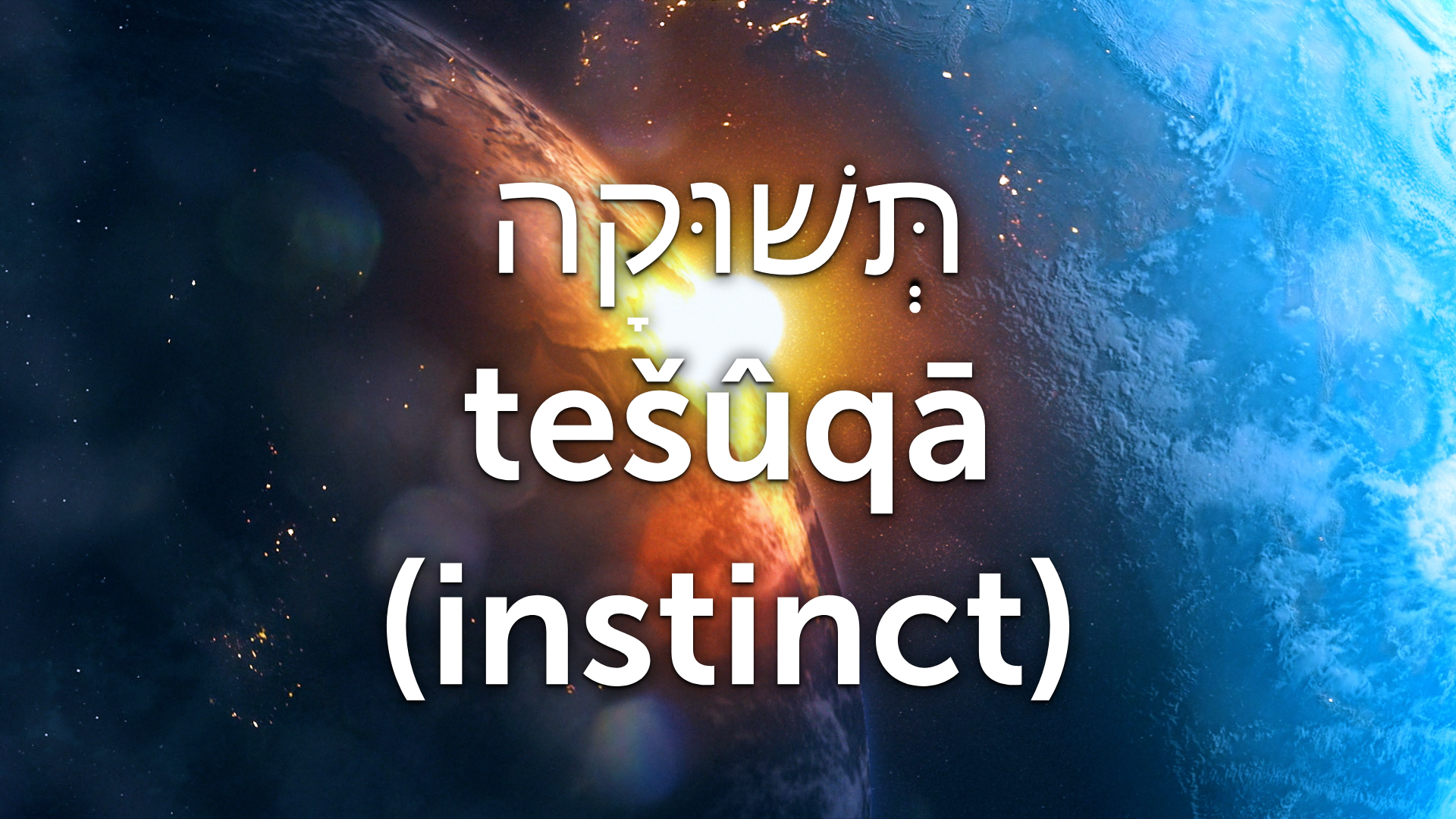
“Desire” (chukah) speaks of instinct—longing for belonging and community, for a legitimate role, and for generational preservation.
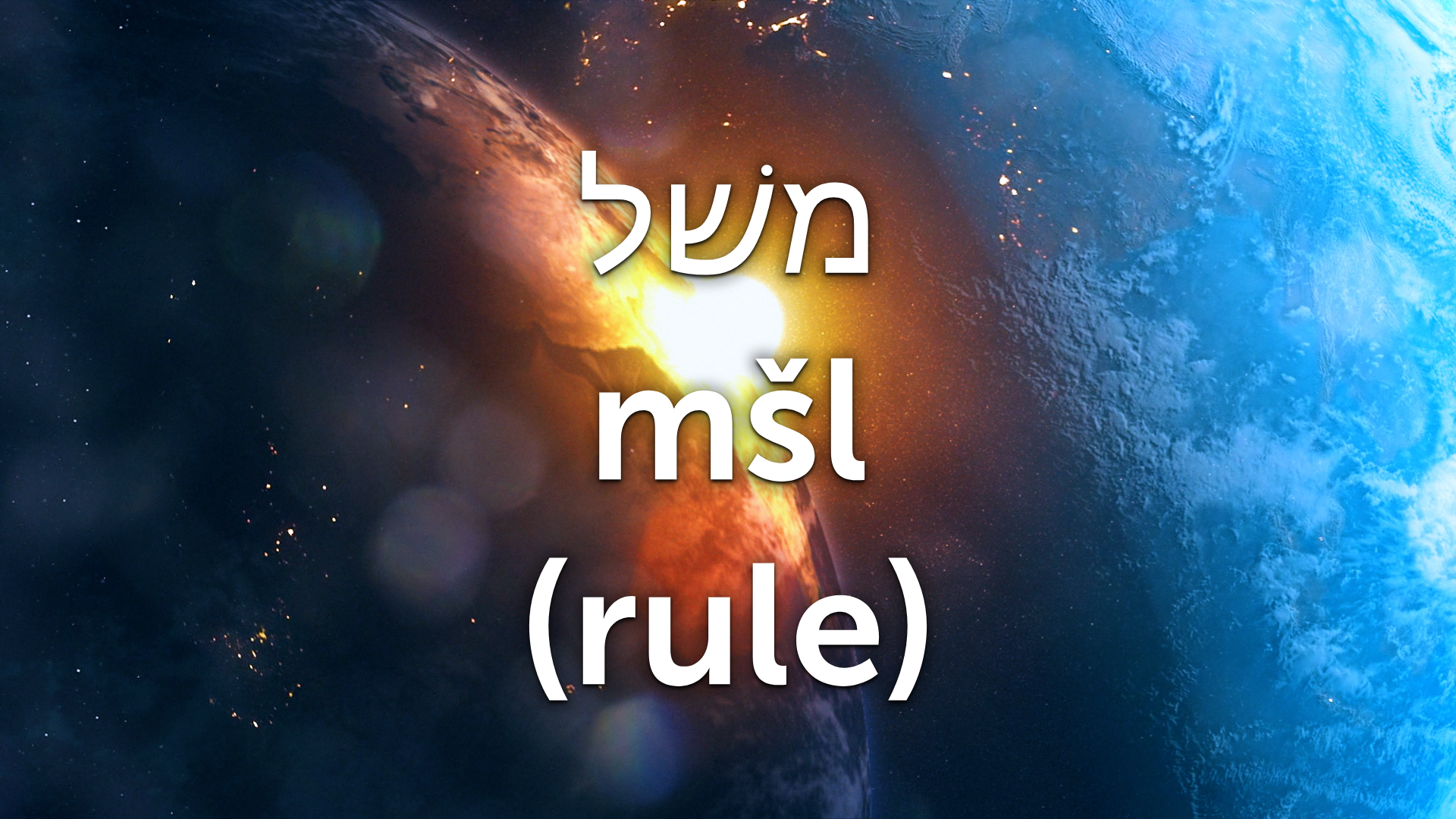
“Rule” (mashall) reflects default social structures that maintained order in Israelite culture. This text describes order being reestablished within boundaries. It is not a divine endorsement of oppression. Put another way: God did not command a patriarchal society, but God did use what was in place culturally to provide order within appropriate boundaries for the Israelite community.
Eve’s longing would always be for community and a role in generational preservation. Her detriment would be to pursue this order at the cost of all relationships, including her relationship with her husband, a necessary and by-design perfect partner for her desire to be met, as we learned last week. This is not intended to be understood as new gender roles, rather as a way to establish order within community.
The man’s consequence mirrors hers: anxious toil. The ground resists him. Thorns and thistles mark his labor. And he returns to dust. Access to eternal life is gone.
These are not prescriptive punishments that we are forced into. Instead they are consequences of the choice to choose self-autonomy instead of dependence on God’s generosity. Outside the Edenic ideal, the intended relationship with God, life is hard, death is certain, and conflict endures.
As Paul expressed in Romans 1:25 CSB,
“They exchanged the truth of God for a lie, and worshiped and served what has been created instead of the Creator, who is praised forever. Amen.”
The lie was simple: that we could become our own source. But we could never become our own source of life.
God Comes Home to Us (3:20–24)
More than a simple act of disobedience, Genesis 3 is the moment relationship fractures. It is the birth of exile, not just from a garden, but from the felt nearness of God and the reality of what life together with him brings.
Choices are made. Fear enters. Hiding becomes instinct. Blame becomes language. And the pain beneath all of it is this: humanity has detached from the One who gives life and who is the source of life.
That’s why the rest of the Bible never treats sin as merely “bad behavior.” Sin is disordered worship. The result is a creature made from dust pretending it can breathe on its own.
Yet, if you pay attention throughout the story, you start to see God’s relentless pattern: He keeps moving toward the humans who keep moving away. This is why I love the Old Testament so much. The God who pursues us today pursued humanity from the dawn of time.
Almost immediately after Adam and Eve stepped out on God, he moved toward them to continue providing for them and protect them.
The man named his wife Eve because she was the mother of all the living. The Lord God made clothing from skins for the man and his wife, and he clothed them. vv20-21
They chose autonomy over God’s generous provision, yet God takes skins from other creation to clothe them in their shame. Then…
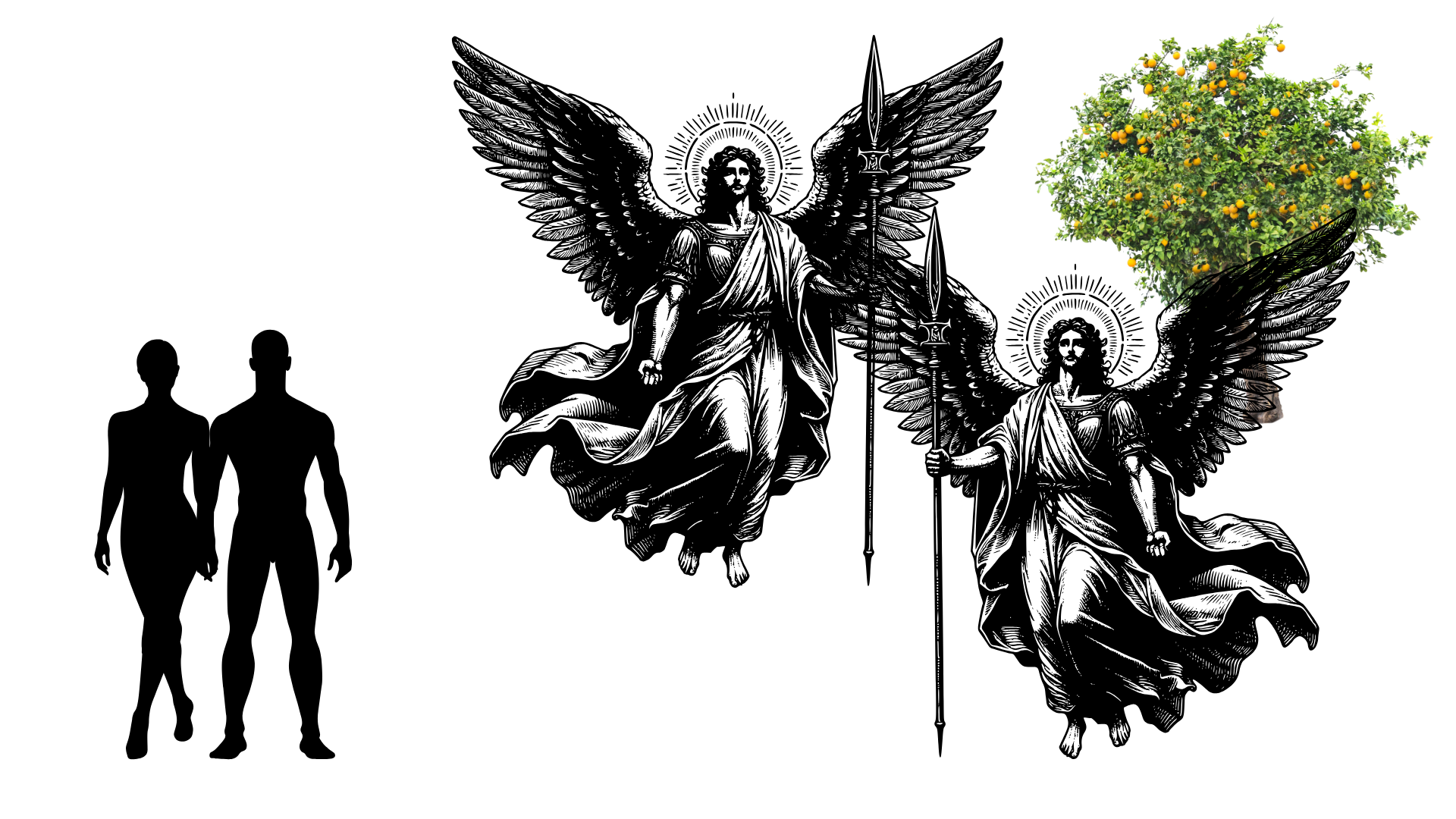
The Lord God said, “Since the man has become like one of us, knowing good and evil, he must not reach out, take from the tree of life, eat, and live forever.” So the Lord God sent him away from the garden of Eden to work the ground from which he was taken. He drove the man out and stationed the cherubim and the flaming, whirling sword east of the garden of Eden to guard the way to the tree of life. ” vv22-24
Humanity is removed from the garden, removed from direct access to the Tree of Life, because autonomy is incompatible with God’s life of dependence on him as our source of “enough”.
Apostle Paul later frames this in New Testament theological language when he said in
Romans 6:23: “The wages of sin is death.”
This is not because God delights in death, but because sin is separation from him as the source of life. Exile follows.
We often imagine the Tree of Life as an antidote to the poison of the other tree. But that misses the point.
Humanity in a state of corruption cannot live forever in that state and remain in God’s presence. This is why Adam and Eve had to be removed from the garden. Eternal autonomy would be eternal death. God cared too much to let us be forever separated from his presence. Humanity must be prevented from the tree of life.
Cherubim stand at the east of Eden. This is mercy not vindictive wrath. In fact, the only other time that we see Cherubim in the Torah-the first 5 books of the Bible written by Moses-is in Exodus 25. You know what they are guarding? The Ark of the Covenant, where the words of God given to Moses reside. Covenant has become the pathway back to life.
As the story continues, he comes near in the tabernacle, in fire and cloud, and in the temple. And then he comes near in a way Eden could only foreshadow: God comes near in flesh.
The biblical story is not humans climbing to God, but of God coming down to reclaim what is his. The Creator does not abandon his human project and he refuses to let exile have the last word.
We see this play out in the life and purpose of Jesus.
“The Word became flesh and dwelt among us. We observed his glory, the glory as the one and only Son from the Father, full of grace and truth.” John 1:14 CSB
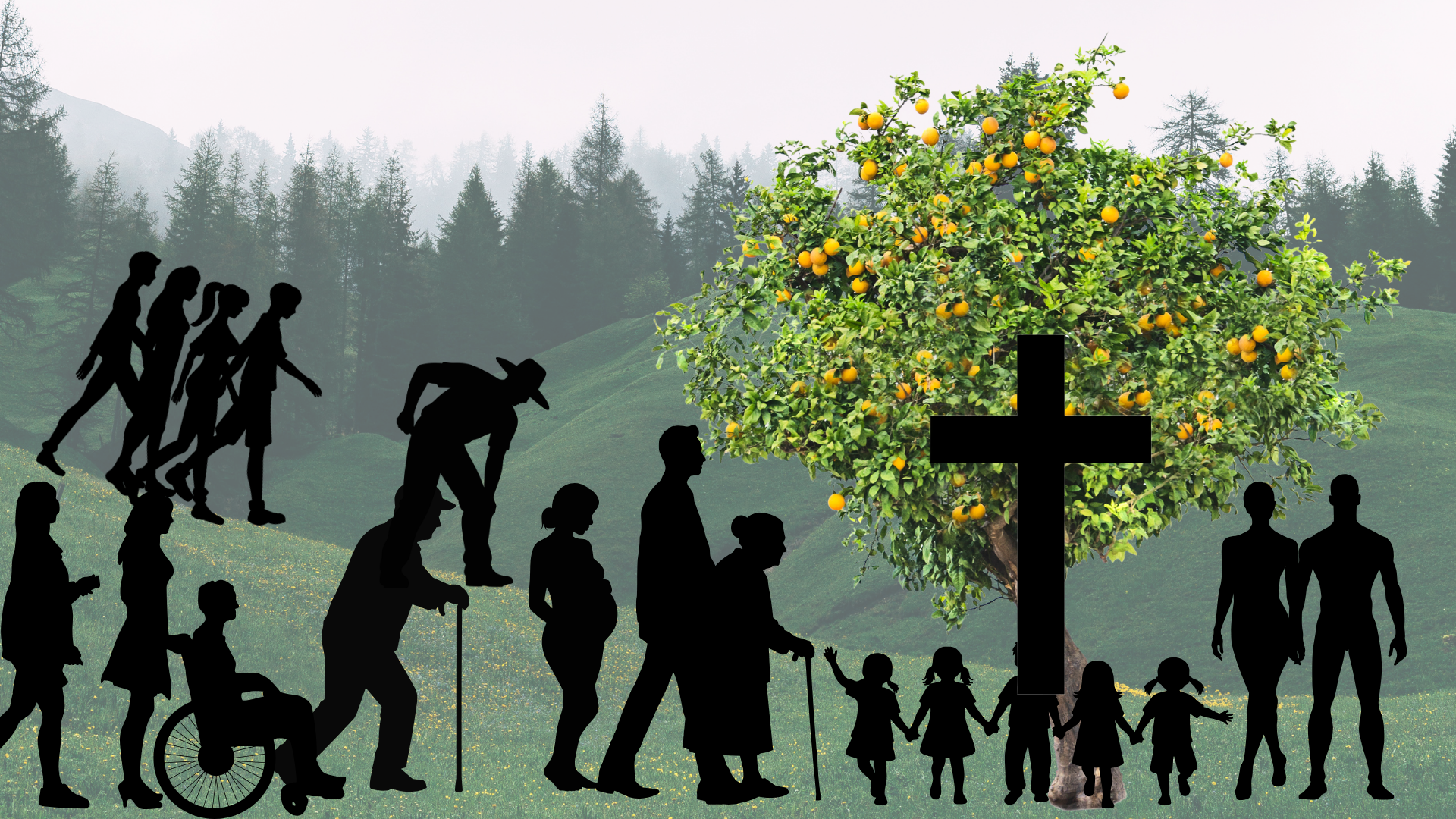
Then, reading on some of the final pages of the story in the book of Revelation, what we see is a homecoming to God’s original design and what he started in Eden, he finished in the new earth. When John was given this final vision, it isn’t a picture of people going somewhere else or going to where God is. It is a picture of God coming here.
Listen to this beautiful hope-filled turn of events that will one day be our future as God brings us back into the experience of Eden.
“Then I heard a loud voice from the throne: Look, God’s dwelling is with humanity, and he will live with them. They will be his peoples, and God himself will be with them and will be their God. He will wipe away every tear from their eyes. Death will be no more; grief, crying, and pain will be no more, because the previous things have passed away. Then the One seated on the throne said, ‘Look, I am making everything new.’” Revelation 21:3–5a CSB
Listen to how personal this is. God’s dwelling with humanity. God living with them. God himself is with them.
This is Eden, finally completed. This is a world saturated with God’s intimate presence. No hiding. No fear. No suspicion. No distance. No distrust. No gossip. No self-autonomy. No curse crawling through relationships. The story ends where it was always intended to go: God and humans together again, in a healed creation.
God ends our deepest human fear: death. Grief, crying, and pain being gone means the traumas that shaped you do not get to define you anymore.
“Look, I am making everything new.” (Rev. 21:5)
Everything new. Your life. Your story. Your body. Your mind. Your relationships. Your grief. Your wounds. Your shame. Your future. His Church. The world itself.
This is a God who intends to heal from the inside out, not from a distance but up close and personal. That’s where the story is going. And we are invited to live toward that future now.
Close and Invitation
So here is the question Genesis 3 beckons, and Revelation answers: Where is life found?
Autonomy sounds so strong. It feels like we’re adulting. But it slowly whittles away the very essence of who we are and starves our soul, because you and I were not built to generate life. We were built to receive it.
Revelation 21 announces the end of separation. The end of exile. The end of living life outside the presence of God and apart from our true source of life.
So why does life still feel hard? Why do traumas feel so real? Why does grief still sting in hot tears, valleys of depression overwhelm us, and we live in heart-racing anger?
Today we live in the already, not yet world. Through Jesus Christ’s death on the cross and resurrection, sin and death have been defeated, and evil has an expiration date. But in the timeline of humanity this has not yet been fulfilled.
God allows evil because he values human freedom and genuine love, which requires the possibility of choosing against him. Evil originates in human rebellion. God permits it temporarily because he hopes each person will turn and choose HIM. Ultimately he will defeat it through Jesus and bring final justice and restoration. Compared to eternity, the present experience of evil is brief.
God will never force us to worship or love him. He invites us and gives us the choice to come to him. That’s true love. True love cannot be forced or it’s not love.
The invitation today is not “be religious” or “try harder” or “clean yourself up.” It is simply this: Come home.
repentance is turning from one way and going another way. We turned to choose from the tree of knowledge of good and evil, and we walked towards the tree of life.
Be reconciled to God by returning to trust. Surrender your autonomy and repent of going your own way by choosing to receive God’s free gift of life. To deny your self-autonomy is perhaps the most controversial choice of the Christian life. But this is where life begins - by choosing the Tree of Life.
Remember what Paul wrote that I shared earlier? “For the wages of sin is death…” He doesn’t stop there because the best part is what he says next:
“But the gift of God is eternal life in Christ Jesus our Lord.” (Romans 6:23 CSB)
Whether this is your first time or the hundredth time to come to God, to place your trust back in his hands, now is a good time to respond. I stand here today with my own self-autonomous, human wisdom choices I’ve made that I must surrender in exchange for full dependency on him.
Open your hands in a posture of surrender and to receive. Tell God the truth. Name your ache. Confess where you’ve tried to be your own source. Receive what he freely gives - LIFE.
We receive God’s free gift of eternal life when we say to God, I surrender to you Jesus as Lord of my life. I only want to live from your Tree of Life. Heal me from my self-ruled, sin-sick heart, and teach me to live from you as my source.
Jesus said, “Look, I am making everything new.”
Even you.
Even now.
As I dismiss you today, I would like to close with a reminder. A pastor of mine (Clayton Keenon at Christ Community Church) would frequently close his sermon with this reminder and I think it’s fitting after this message. Even though we have chosen throughout our life our and self rule, God loves us more than we can comprehend. No choice we make can ever change that.
So Remember this:
God loves you more than you could ever imagine.
God loves you with a love that has no beginning and no ending.
It is a love you do not have to earn and you could never lose.
It doesn't matter if you feel like a success or a failure.
God loves you.
It doesn't matter if you feel alone or surrounded by friends.
God loves you.
It doesn't matter if you are righteous or guilty.
God loves you.
God loves you enough to send his Son to live for you, die for you and be raised for you.
Right now Jesus is before the Father speaking words of love on your behalf, and he will return to renew you and all of creation because he loves you.
This is the thing most true about you is that you are loved by God.
This is the first fact of your existence.
Before anything else can be said about you, this must be said:
God loves you and that will never change.
So don't forget it.
Go in peace.